**Meta Description:**
Angelina Keeley, a notable contestant from Survivor, has raised serious concerns about the show’s editing practices in Survivor 50. She claims that biased editing is favoring certain contestants, undermining the integrity of the game. Discover her insights and the implications for future seasons in this detailed analysis.
Angelina Keeley Calls Out Survivor 50 for Biased Editing
Survivor has long been a staple of reality television, captivating audiences with its blend of strategy, social dynamics, and survival skills. However, as the show reaches its 50th season, one former contestant, Angelina Keeley, has stepped into the spotlight, voicing her concerns about the integrity of the game. Keeley claims that the editing of Survivor 50 is biased, favoring certain contestants while undermining others. This revelation raises critical questions about the fairness of the competition and the authenticity of the viewer’s experience.
Angelina Keeley’s Accusations: A Closer Look

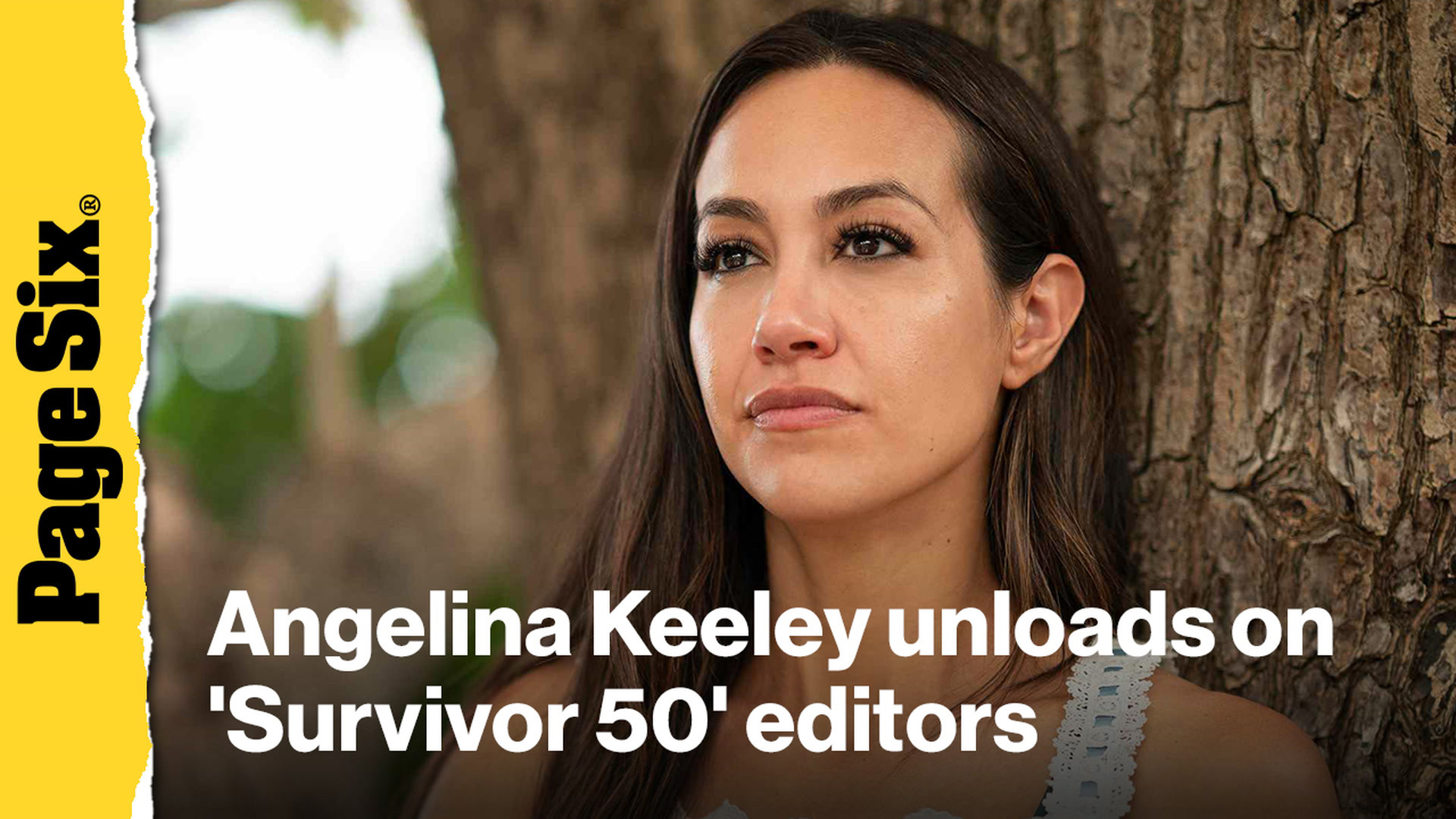
Angelina Keeley, who gained fame during her time on Survivor 37, has been vocal about her experiences and observations regarding the editing practices of the show. In a recent interview, she stated, “This is no longer a fair game…” emphasizing her belief that the editing process is skewed in favor of specific players. Keeley argues that the way episodes are cut and presented can significantly influence public perception and voting outcomes, which ultimately affects the game’s fairness.
One of Keeley’s main points revolves around how certain contestants are portrayed in a more favorable light, while others are depicted negatively or are simply overlooked. This selective editing can lead to a skewed narrative that misrepresents the true dynamics of the game. For instance, contestants who are strategically savvy but lack a strong social game may be edited out of key moments, while those who are more charismatic but less strategic receive more screen time. This imbalance can create a false narrative that impacts how viewers perceive the contestants and their gameplay.
The Impact of Editing on Contestant Dynamics
The implications of biased editing extend beyond mere viewer perception; they can also affect contestant dynamics within the game. When certain players are consistently portrayed as heroes or villains, it can influence how other contestants interact with them. For example, if a player is shown in a negative light, other contestants may be less inclined to ally with them, regardless of their actual gameplay. This can create an environment where the game becomes less about strategy and more about public perception, ultimately skewing the competition.
Moreover, Keeley’s accusations highlight a broader issue within reality television: the power of editing. Producers have the ability to shape narratives, and this can lead to a disconnect between what is real and what is presented to the audience. In the case of Survivor, where social strategy is paramount, biased editing can undermine the very essence of the game. Contestants may find themselves at a disadvantage if their gameplay is not accurately represented, leading to potential misjudgments by both viewers and fellow contestants.
As Survivor 50 progresses, Keeley’s concerns prompt a reevaluation of how reality television is produced and consumed. Are viewers getting an authentic representation of the game, or are they being fed a carefully crafted narrative that serves the interests of the producers? This question is crucial for the future of Survivor and similar reality shows, as audiences increasingly demand transparency and fairness.
What This Means for the Future of Survivor

Angelina Keeley’s call for accountability in Survivor’s editing practices may resonate with many fans who have felt that the show has strayed from its original premise. As Survivor continues to evolve, it faces the challenge of maintaining its integrity while also keeping viewers engaged. The balance between entertainment and authenticity is delicate, and Keeley’s accusations serve as a reminder of the responsibility that producers have to their contestants and their audience.
In light of these concerns, it may be time for Survivor to consider implementing changes to its editing process. This could involve providing more balanced portrayals of contestants, ensuring that all players receive adequate screen time, and allowing the audience to form their own opinions based on a more accurate representation of the game. By doing so, Survivor could enhance its credibility and restore faith among its fanbase.
Furthermore, Keeley’s statements may encourage future contestants to be more vocal about their experiences and the editing process. As more players come forward with their insights, it could lead to a broader conversation about the ethics of reality television and the importance of fair representation. This dialogue could ultimately benefit the show, fostering a more engaged and informed audience.
Conclusion
Angelina Keeley’s accusations against Survivor 50 highlight significant concerns regarding biased editing and its impact on the integrity of the game. As the show continues to captivate audiences, it must also address these issues to maintain its credibility and ensure a fair competition for all contestants. The future of Survivor may depend on its ability to adapt and respond to these challenges, fostering a more transparent and equitable environment for both players and viewers alike.
As fans of Survivor, it’s essential to stay informed and engaged with these developments. Join the conversation and share your thoughts on the editing practices of Survivor. How do you think they impact the game? Your voice matters in shaping the future of reality television!