Rachel from MAFS Australia 2026 Breaks Down in Tears, Accuses Production Team of Deliberate Image Damage
In a heartfelt and emotional revelation, Rachel, a participant from the highly popular reality TV show *Married at First Sight (MAFS) Australia 2026*, broke down in tears as she shared evidence accusing the production team of intentionally tarnishing her image on the show. Her candid disclosure has sparked widespread discussion among fans and critics alike, raising questions about the ethics behind reality television editing and production practices.
Rachel from MAFS Australia 2026 Speaks Out About Deliberate Image Damage
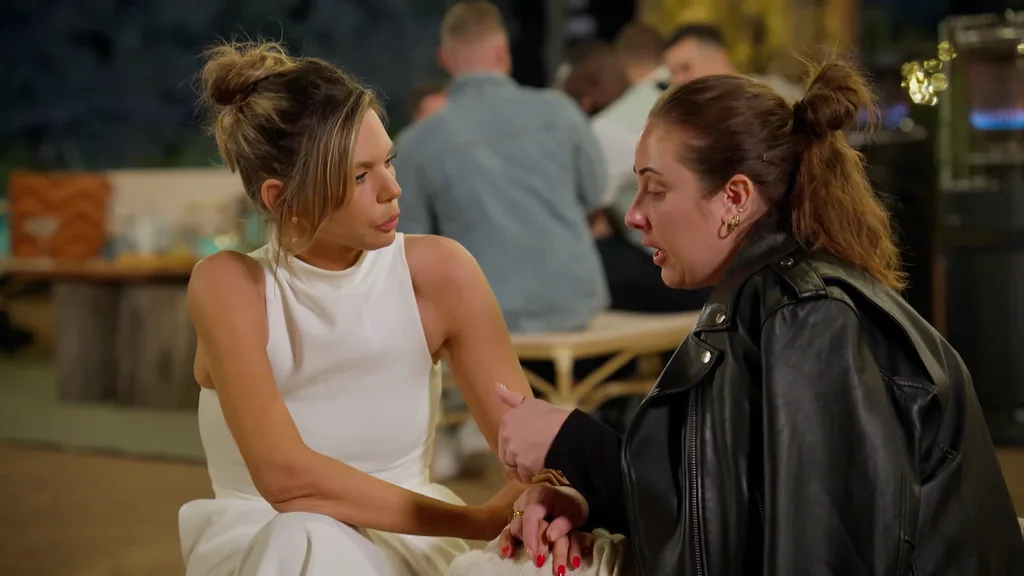
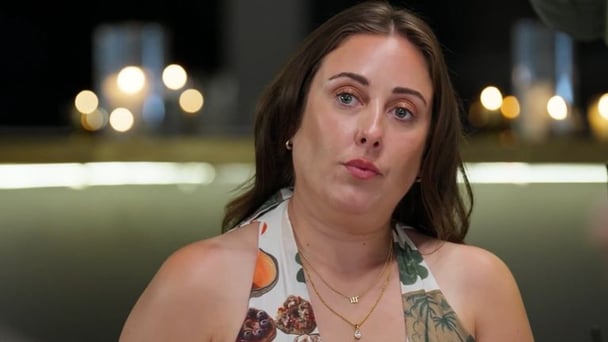
Rachel’s emotional breakdown came during a recent interview where she opened up about the distress she experienced due to the way the show’s producers portrayed her. According to Rachel, the production team manipulated footage and selectively edited scenes to create a negative narrative around her personality and actions. She revealed, “They didn’t even apologize after what they did to me… It felt like they wanted to make me look bad on purpose.”
This accusation is particularly significant given the immense popularity and influence of *MAFS Australia*. The show’s format, which pairs strangers in arranged marriages and documents their journey, relies heavily on editing to craft compelling storylines. However, Rachel’s testimony sheds light on the darker side of this process, where participants’ real emotions and reputations can be compromised for dramatic effect.
Fans of the show have expressed sympathy for Rachel, many of whom have questioned the authenticity of the portrayals in recent seasons. Social media platforms have been flooded with messages of support, as viewers call for greater transparency and fairness in how reality TV participants are treated.
The Impact of Production Practices on Reality TV Participants
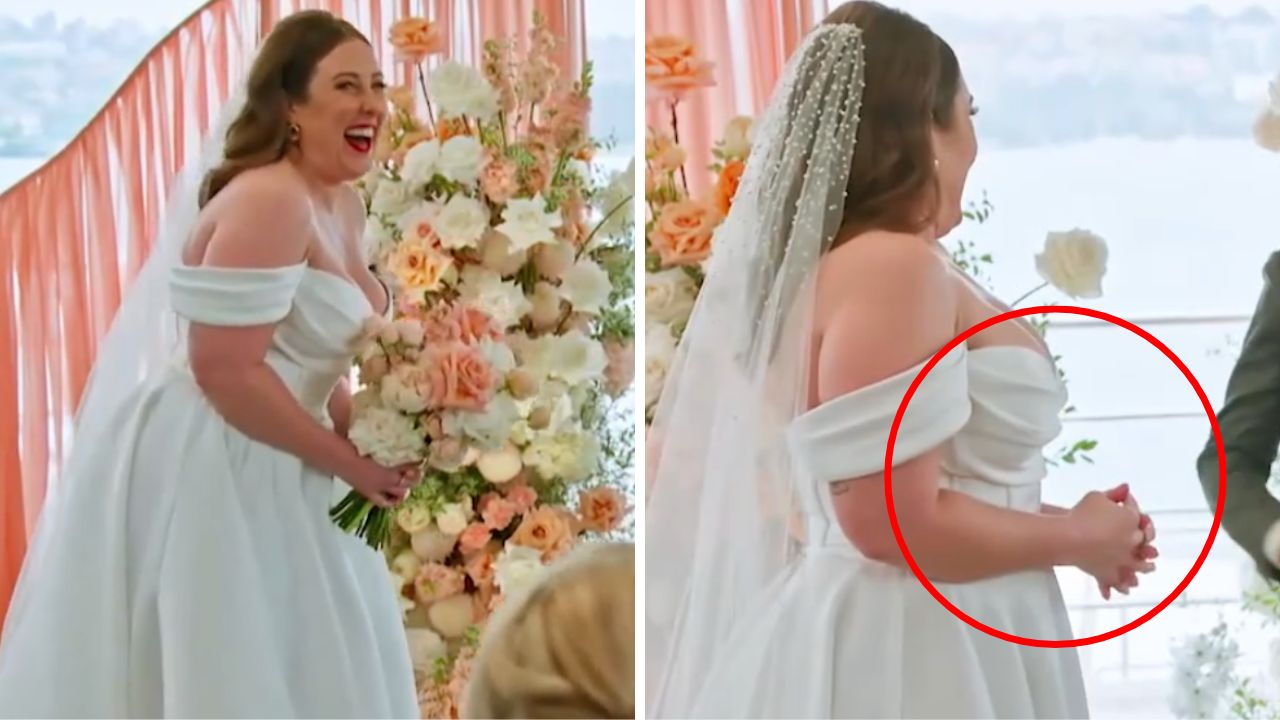
Rachel’s experience is not unique in the world of reality television. Numerous participants across various shows have reported feeling misrepresented due to selective editing and producer-driven narratives. This practice, often referred to as “frankenbiting,” involves piecing together clips out of context to create a storyline that may not accurately reflect the participant’s true character or intentions.
The psychological toll on individuals like Rachel can be significant. Being portrayed negatively on a widely viewed platform can lead to public backlash, personal distress, and lasting damage to one’s reputation. Despite these consequences, production teams often prioritize ratings and dramatic content over the well-being of participants.
Rachel’s call for accountability highlights the need for reforms within the reality TV industry. Advocates argue for clearer guidelines and ethical standards that protect participants from harmful editing practices. Additionally, there is a growing demand for production companies to offer support and counseling to contestants who face public scrutiny after filming.
What This Means for the Future of MAFS Australia and Reality TV
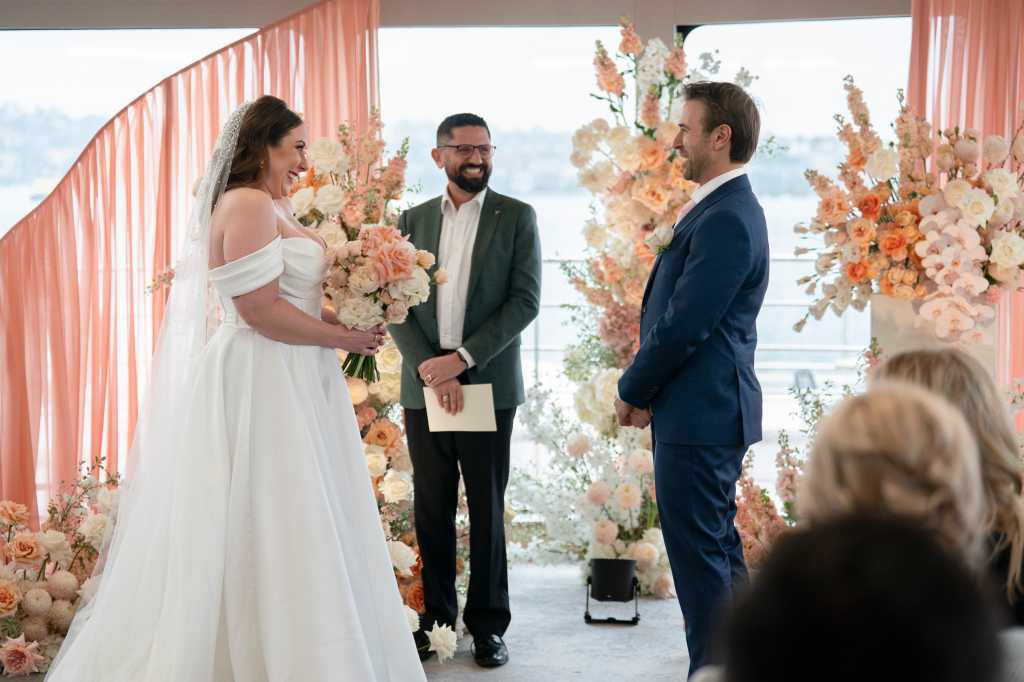
The revelations from Rachel have ignited a broader conversation about the responsibilities of reality TV producers. As audiences become more aware of behind-the-scenes manipulation, there is increasing pressure on shows like *MAFS Australia* to maintain integrity and respect for their participants.
Producers may need to reconsider their editing approaches and implement more transparent practices to rebuild trust with both contestants and viewers. This could include providing participants with the opportunity to review footage before airing or establishing independent oversight committees to ensure ethical standards are met.
Moreover, Rachel’s experience serves as a cautionary tale for future participants who may be hesitant to join reality shows due to fears of misrepresentation. Ensuring a safer and more respectful environment could encourage more genuine and positive storytelling, benefiting everyone involved.
Conclusion
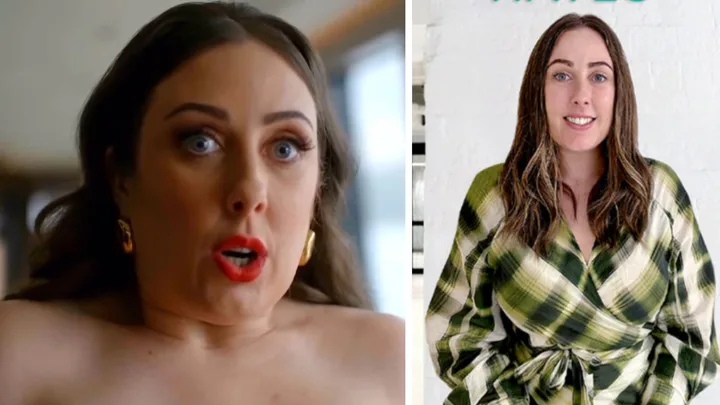
Rachel from *MAFS Australia 2026* has bravely exposed the deliberate damage done to her image by the production team, sparking an essential dialogue about ethics in reality television. Her story underscores the urgent need for greater accountability and compassion in how reality TV participants are portrayed. If you found Rachel’s story compelling, stay tuned for more updates and share your thoughts on how reality TV can evolve to protect its stars. Join the conversation and help advocate for a fairer entertainment industry today!