Jermaine Jenas Accuses Good Morning Britain’s Ranvir Singh of Ambush Interview
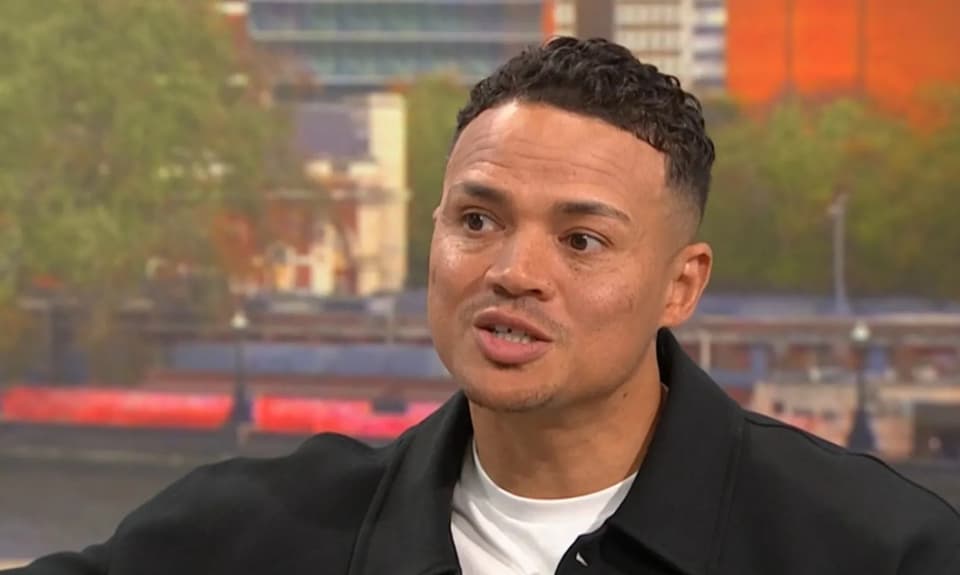
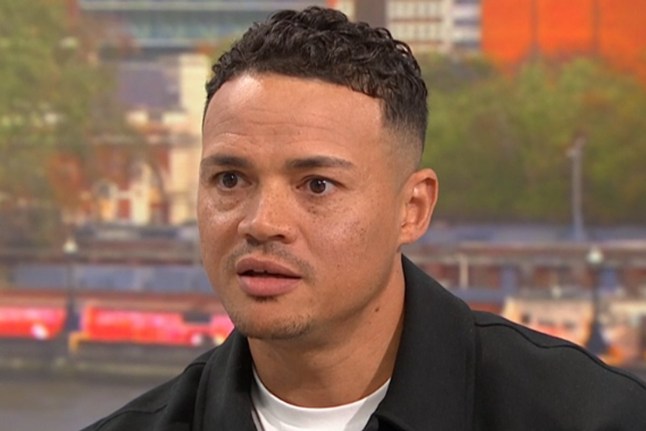
Jermaine Jenas, the former professional footballer and sports pundit, has publicly accused Good Morning Britain’s Ranvir Singh of deliberately ambushing him during a recent live interview. Jenas claims that the producers orchestrated a “trap” to corner him with aggressive questioning, describing the show as having a “thirst for blood.” This confrontation has sparked widespread discussion about the ethics of live TV interviews and the pressures public figures face when trying to rebuild their reputations.
Jermaine Jenas Claims Good Morning Britain Set a “Trap” During Interview
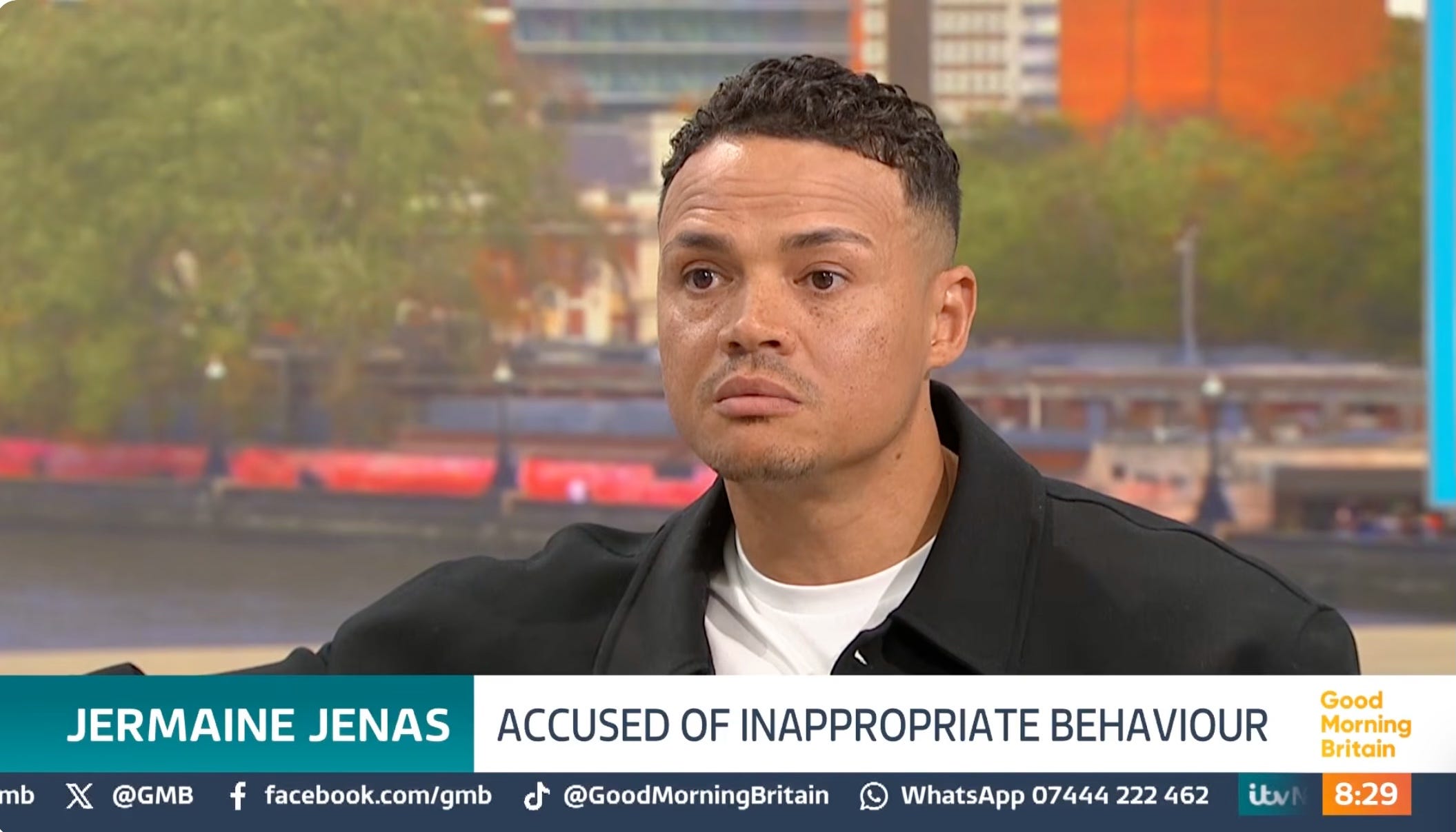
During the contentious interview, Jermaine Jenas expressed his frustration with the tone and approach taken by Ranvir Singh and the production team. He alleged that the questioning was not only harsh but intentionally designed to provoke a reaction, stating, “You twisted the knife on live TV.” Jenas, who has been working hard to restore his public image, felt that the interview was less about fair journalism and more about creating sensational content at his expense.
The former footballer’s accusations highlight a growing concern among celebrities and public figures about the tactics used by some television programs to generate dramatic moments. Jenas’s experience on Good Morning Britain is a prime example of how live interviews can sometimes cross the line from tough questioning into what feels like ambush journalism.
The Impact of Ambush Interviews on Public Figures and Media Ethics
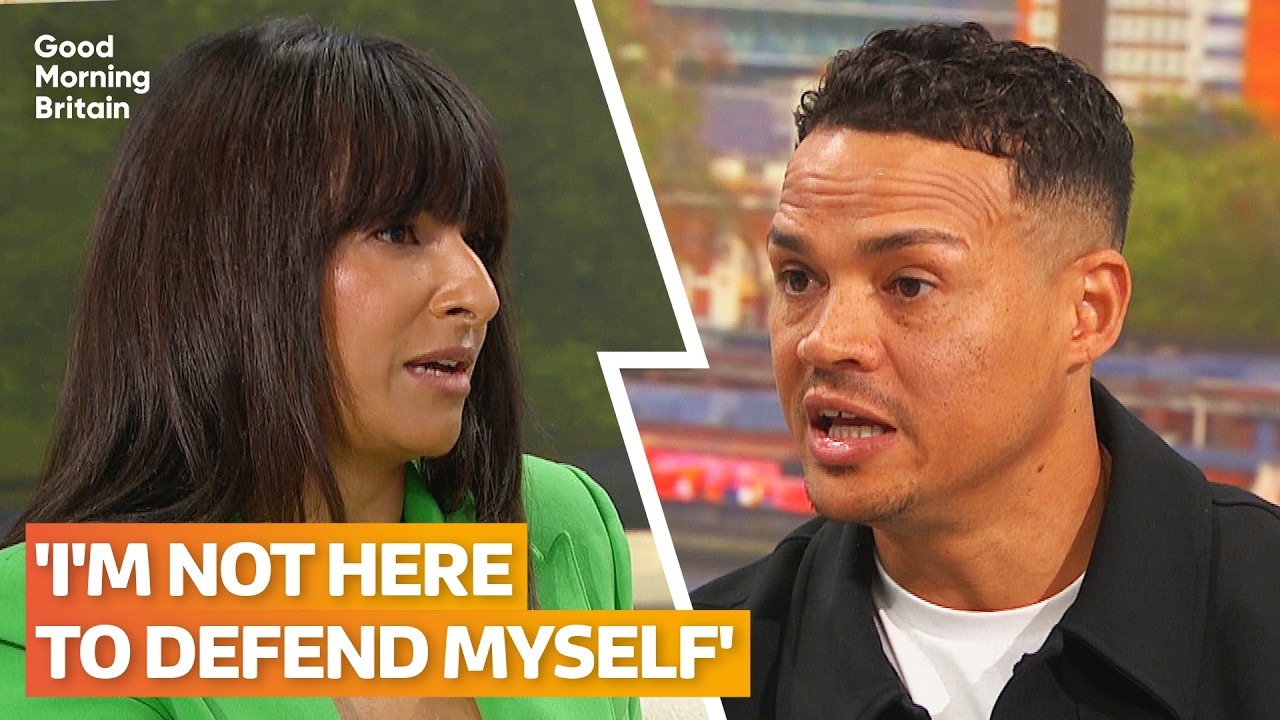
Ambush interviews, where interviewees are caught off guard with unexpected or aggressive questions, have become increasingly common in today’s media landscape. While such tactics can lead to compelling television, they also raise important ethical questions. Jermaine Jenas’s experience underscores the emotional toll these interviews can take, especially on individuals striving to move past personal or professional challenges.
Good Morning Britain, known for its hard-hitting style, has faced criticism before for its interview methods. Jenas’s public statement accusing the show of having a “thirst for blood” adds to the debate about the responsibility of media outlets to balance rigorous journalism with respect and fairness.
For public figures like Jenas, these encounters can complicate efforts to rebuild trust with audiences. The pressure to respond under intense scrutiny can lead to missteps, further fueling negative media cycles. This situation serves as a reminder of the delicate balance between holding public figures accountable and ensuring interviews are conducted ethically.
Ranvir Singh’s Response and the Role of Producers in Live TV

Following Jermaine Jenas’s accusations, Ranvir Singh and the Good Morning Britain production team have remained largely silent on the matter. However, the incident has sparked conversations within the industry about the role producers play in shaping interview dynamics. Producers often guide the direction of interviews, deciding which questions to ask and how aggressively to pursue certain topics.
The claim that a “trap” was set suggests a premeditated strategy to corner Jenas, raising questions about the extent to which producers influence the tone and content of live broadcasts. This incident may prompt media outlets to reconsider their approach to interviews, especially when dealing with sensitive subjects or individuals working to rehabilitate their public image.
What This Means for Jermaine Jenas’s Reputation and Future Media Appearances
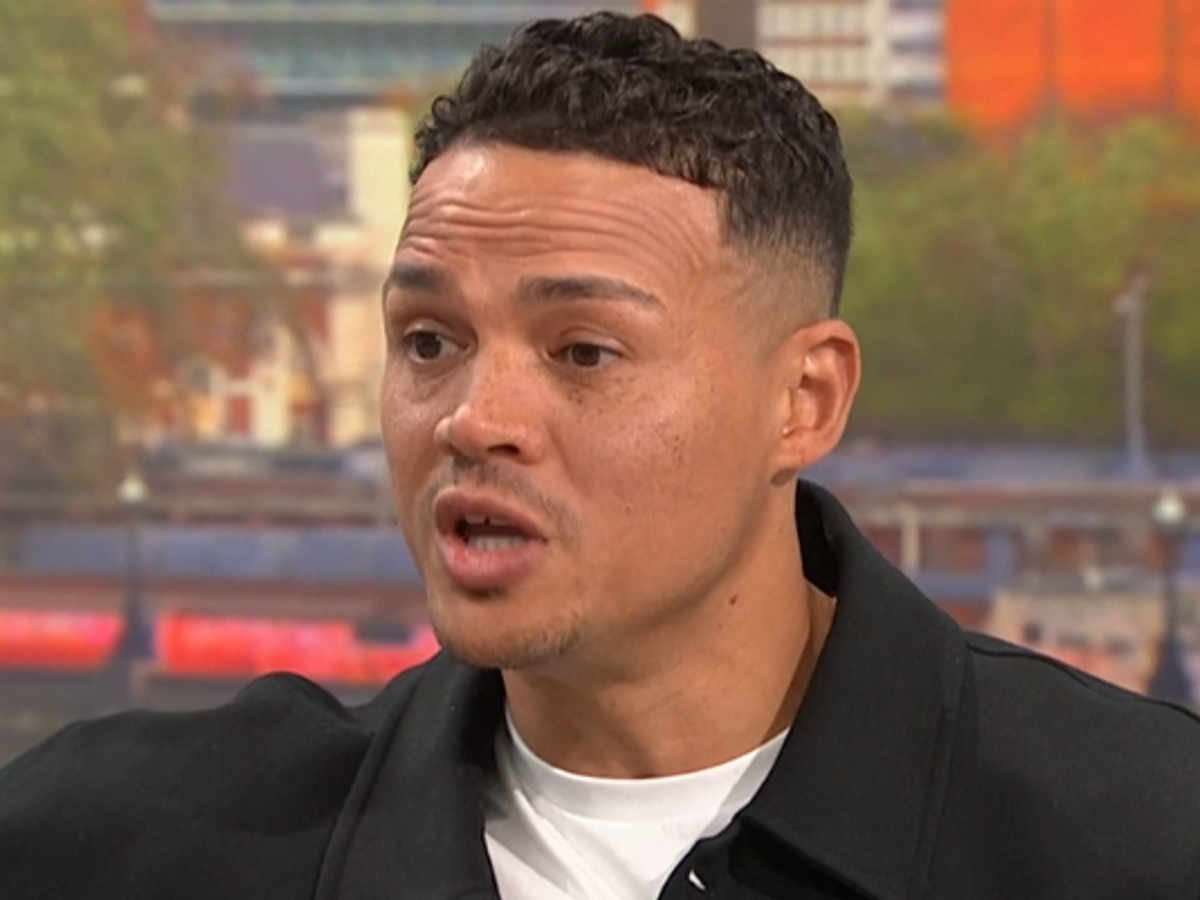
Jermaine Jenas is currently focused on rebuilding his reputation after facing various challenges in the public eye. The contentious interview on Good Morning Britain has complicated this process, as it brought renewed attention to his past and subjected him to intense scrutiny. However, Jenas’s willingness to speak out about his experience demonstrates a proactive approach to managing his narrative.
Moving forward, Jenas may choose to be more selective about his media appearances or seek platforms that offer a more balanced and respectful interview environment. His experience serves as a cautionary tale for other public figures about the potential pitfalls of live television and the importance of media training and preparation.
Lessons for Viewers and Media Consumers

For viewers, this incident offers insight into the behind-the-scenes dynamics of live TV interviews. It encourages audiences to critically evaluate the content they consume and consider the pressures faced by interviewees. Understanding that some interviews may be strategically designed to provoke reactions can foster a more nuanced perspective on media coverage.
Additionally, this situation highlights the need for media literacy and awareness of ethical journalism standards. As consumers, supporting media outlets that prioritize fairness and respect can contribute to a healthier media environment.
Conclusion
Jermaine Jenas’s accusations against Good Morning Britain’s Ranvir Singh shed light on the challenges public figures face during live TV interviews and raise important questions about media ethics. As Jenas continues to rebuild his reputation, this incident serves as a reminder of the delicate balance between rigorous journalism and respectful treatment of interviewees. For those interested in the evolving landscape of media and celebrity interactions, staying informed and critical of interview tactics is essential. If you want to learn more about media ethics and the impact of live interviews, stay tuned for our upcoming articles and expert insights.