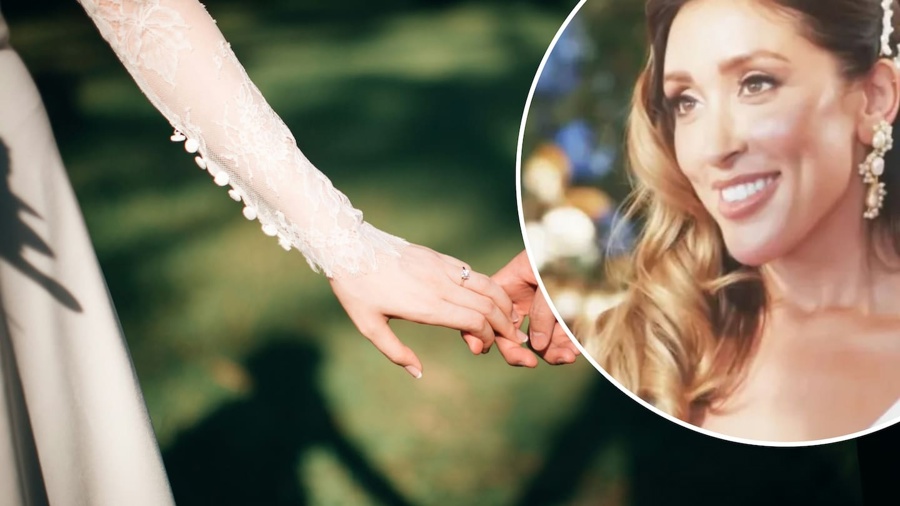
MAFS UK’s Sudden Removal from Digital Platforms Sparks Controversy
The popular reality TV show MAFS UK (Married At First Sight UK) has recently been pulled from all digital platforms, a move that has sent shockwaves through the entertainment industry and its fanbase. This sudden removal comes in the wake of explosive allegations made by three brides, including notable participant Shona Manderson. These claims have not only led Channel 4 to take drastic action but have also ignited a heated debate about the ethical responsibilities of reality television producers and broadcasters.
Explosive Allegations from Brides Including Shona Manderson

The catalyst for the removal of MAFS UK from streaming services and online platforms stems from serious accusations made by three former brides featured on the show. Among them, Shona Manderson has been particularly vocal, sharing her experiences that challenge the integrity and conduct of the production process. These allegations reportedly involve claims of manipulation, emotional distress, and unethical behavior behind the scenes, which have raised concerns about the welfare of participants and the authenticity of the show.
Channel 4, the broadcaster responsible for MAFS UK, responded swiftly by pulling every episode from its digital platforms. This decision underscores the gravity of the situation and the network’s commitment to addressing the issue responsibly. However, the removal has also left fans and industry insiders questioning the future of the series and the broader implications for reality TV programming.
Legal Responses and Calls for Independent Investigation
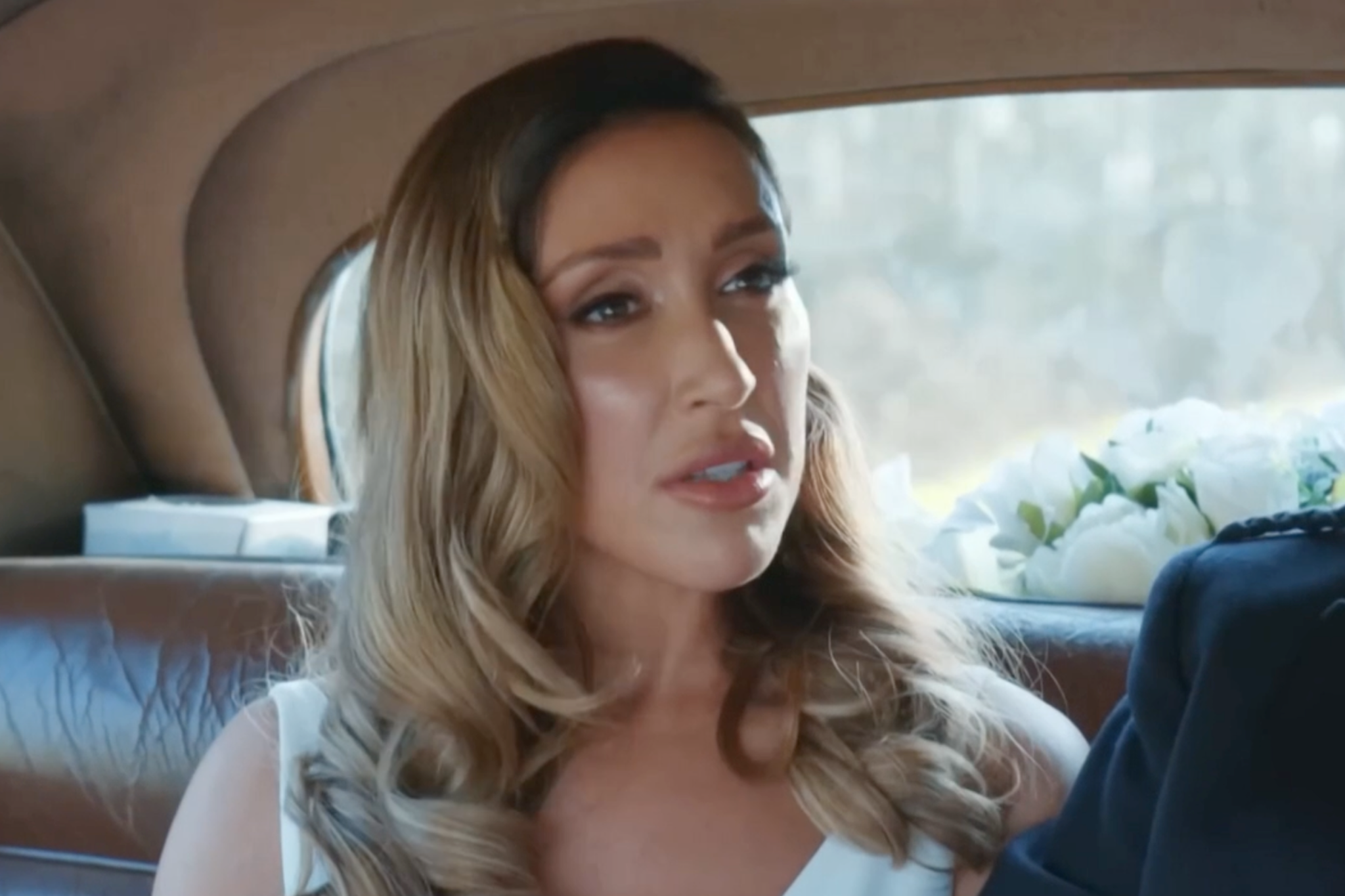
In response to the allegations, lawyers representing the accused contestants have firmly denied the claims, emphasizing that the accusations are unfounded and lack evidence. They argue that the participants’ experiences have been misrepresented and that the show’s production adhered to all necessary ethical guidelines and standards.
Despite these denials, public pressure is mounting for an independent investigation into the matter. Advocates for transparency and participant welfare are calling on Channel 4 and the production company to allow an impartial review to ensure that all parties are treated fairly and that any potential misconduct is thoroughly examined. This demand reflects a growing awareness of the need for accountability in reality television, where the line between entertainment and exploitation can sometimes blur.
The controversy surrounding MAFS UK also highlights broader issues within the reality TV industry, including the psychological impact on participants and the responsibilities of broadcasters to safeguard their well-being. As the debate continues, many are watching closely to see how Channel 4 and other stakeholders will navigate this complex situation.
Potential Consequences Beyond Television
The removal of MAFS UK from digital platforms is more than just a programming decision; it could have far-reaching consequences for the television industry and digital content distribution. The controversy may prompt other networks and streaming services to reevaluate their reality TV offerings and implement stricter oversight measures to prevent similar incidents.
Moreover, advertisers and sponsors might reconsider their partnerships with reality shows that face allegations of unethical practices, potentially impacting funding and production budgets. The reputational damage to Channel 4 could also influence viewer trust and loyalty, affecting ratings and revenue.
For the contestants involved, the situation is equally significant. The allegations and subsequent media attention could affect their personal and professional lives, while the call for an independent investigation offers a chance for their voices to be heard and for justice to be served.
What This Means for Reality TV Fans and Future Productions
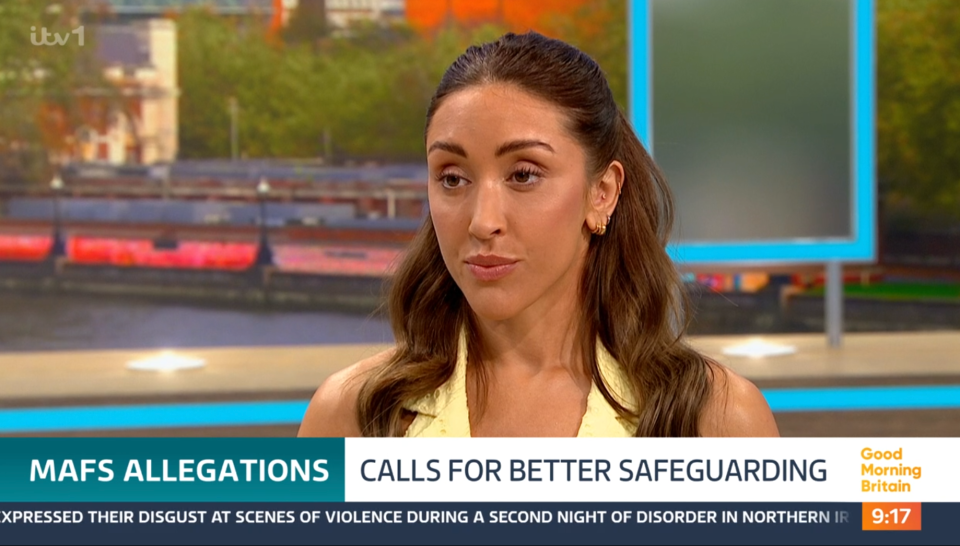
For fans of MAFS UK and reality TV enthusiasts in general, the sudden disappearance of the show from digital platforms is a disappointing development. It disrupts viewing habits and raises questions about the transparency and ethics of the content they consume. This incident may encourage viewers to be more critical and discerning about the shows they support.
From a production standpoint, this controversy serves as a wake-up call for reality TV creators to prioritize participant welfare and ethical standards. Future productions may need to adopt more rigorous protocols for consent, mental health support, and transparency to maintain credibility and audience trust.
Conclusion
The sudden removal of MAFS UK from digital platforms following explosive allegations by brides including Shona Manderson has ignited a critical conversation about ethics and accountability in reality television. While lawyers for the accused contestants deny these claims, the growing calls for an independent investigation highlight the need for transparency and participant protection. As this story unfolds, it is essential for viewers, producers, and broadcasters alike to advocate for responsible content creation that respects the dignity and well-being of all involved.
If you want to stay updated on the latest developments regarding MAFS UK and other reality TV controversies, subscribe to our newsletter and join the conversation today!