Elon Musk Hits Back at Whoopi Goldberg Over The View Host’s Iran Comments

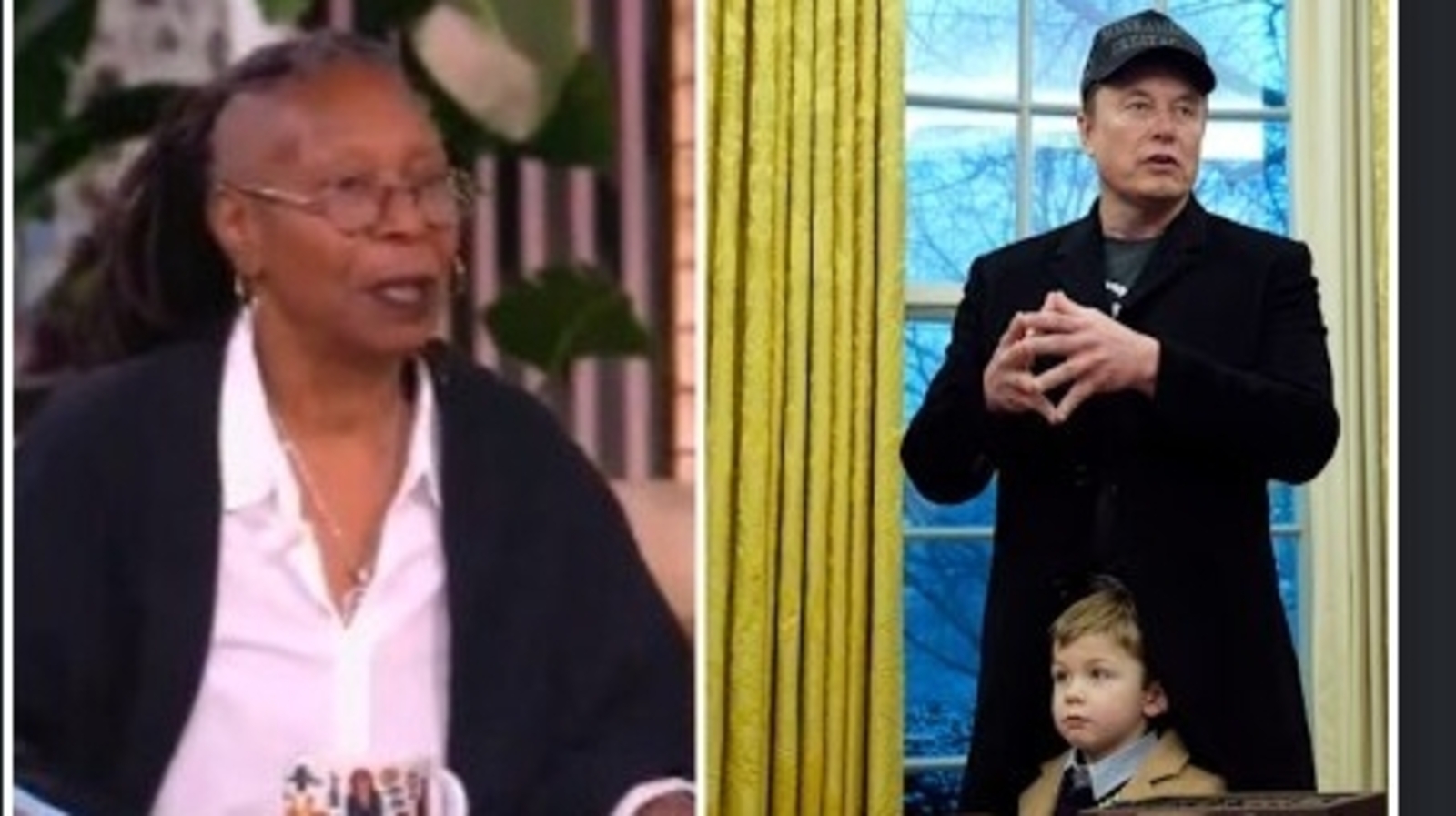
In a recent episode of The View, actress and talk show host Whoopi Goldberg ignited a significant controversy with her remarks regarding Iran and the escalating tensions involving the United States. During a heated discussion with co-host Alyssa Farah Griffin, Whoopi made a bold statement about the differences between issues in America and those in Iran, drawing attention from social media and several public figures, including Elon Musk.
A Confrontation of Perspectives

Goldberg’s comments centered on the comparison of hate crimes in the U.S. to the severe human rights violations occurring in Iran. She stated, “If we start with that, we have been known in this country to tie gay folks to the car. Listen, I’m sorry. They used to just keep hanging Black people.” This part of her statement drew sharp criticism, particularly as many viewers found it dismissive of the brutal realities faced by Iranian citizens.
Critics quickly highlighted the stark contrast between the freedoms enjoyed in the United States, such as the right to protest and freedom of speech, compared to the harsh penalties meted out in Iran for dissent, including torture and death sentences. This led to a broader debate on the validity of drawing parallels between the two countries’ social issues, with many arguing that such comparisons undermine the severity of the situation in Iran.
Elon Musk’s Rebuttal

As the discourse unfolded, Elon Musk, the CEO of Tesla and owner of X (formerly known as Twitter), felt compelled to weigh in on the matter. He took to the social media platform to express his opinion by posting a “100%” emoji, indicating his agreement with the backlash against Goldberg’s remarks. This simple yet impactful response amplified the conversation surrounding the validity of her statements and brought more attention to the contrasting realities of human rights issues in both nations.
The interaction showcases the polarized views prevalent in today’s socio-political climate. It also reflects Musk’s tendency to engage publicly with trending topics, especially when they involve prominent figures discussing contentious issues. Fox News anchor Harris Faulkner also joined the conversation, condemning Whoopi’s comments and asserting that such comparisons trivialize the progress achieved in civil rights within the United States over the years.
Public Reactions and Ongoing Debate

The incident has reignited discussions about how cultural perceptions shape the way human rights issues are interpreted and talked about across different societies. Given the complexity of these conversations, the backlash against Goldberg underscores the necessity of being sensitive when discussing international human rights violations. In the wake of her comments, social media platforms were flooded with opinions, highlighting both support and criticism for her stance.
Both Musk and Goldberg are known for their outspoken views, and this is not the first instance of a public disagreement between them. Their differing perspectives encapsulate the tension between raising awareness of social justice issues while also recognizing the unique circumstances of various countries. This discourse is a reminder of the importance of contextualizing discussions around human rights without diluting the severity of actual conditions faced by individuals in different parts of the world.
As this dialogue continues to evolve, it creates an opportunity for more nuanced discussions regarding the nature of human rights, social justice, and the political landscape. Whether via social media or talk shows, conversations like these are crucial to understanding global issues and catalyzing change. It remains to be seen how the public will react to Elon Musk’s endorsement of the criticism toward Goldberg and what further discussions will arise from this significant event.
For those monitoring the discourse surrounding human rights and international relations, this incident serves as an essential case study in the challenges faced when attempting to wrestle with different cultural narratives. Engaging with these complex issues is important, and members of the public are encouraged to remain informed and actively participate in discussions that shape the nature of global justice.