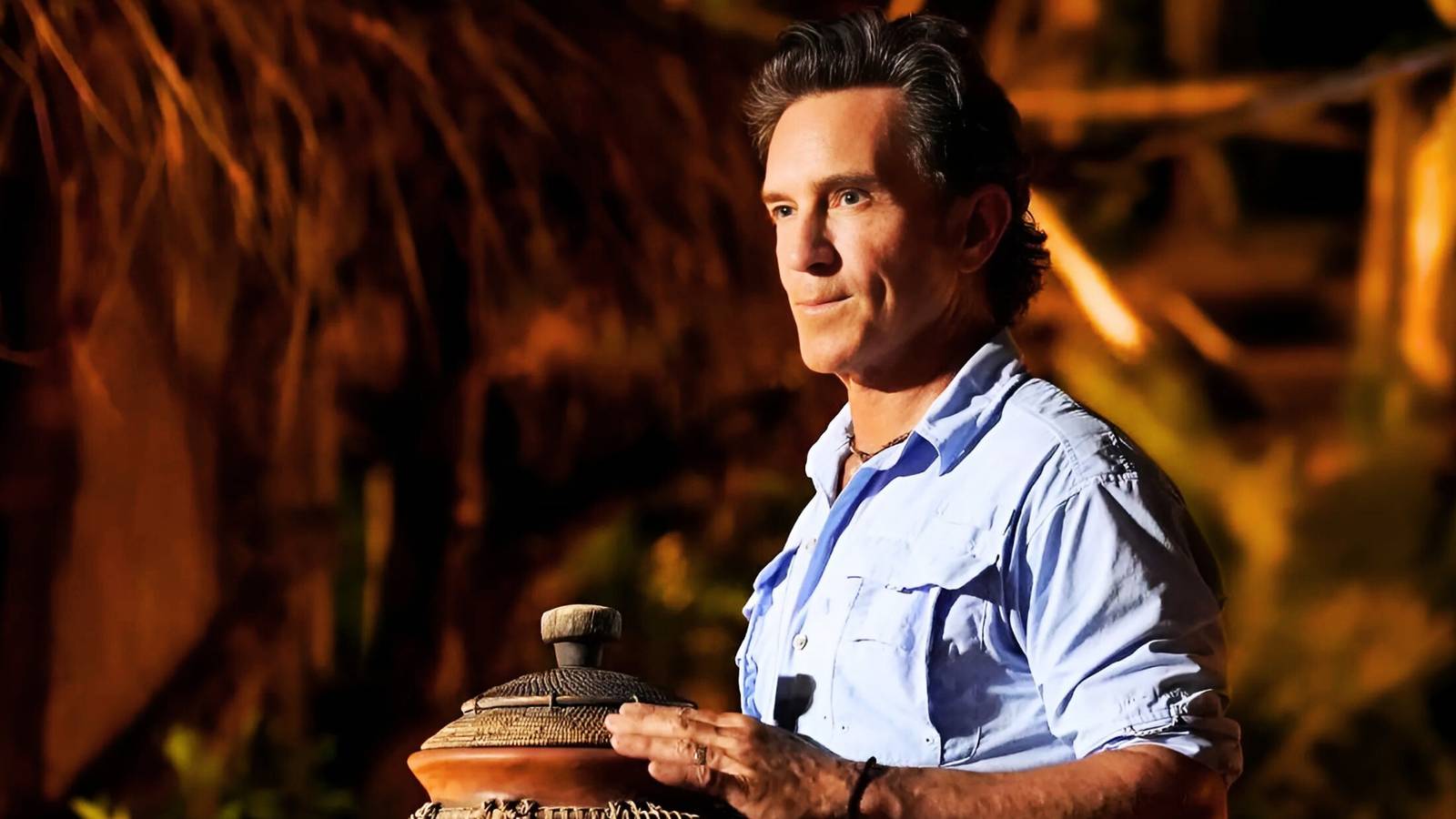
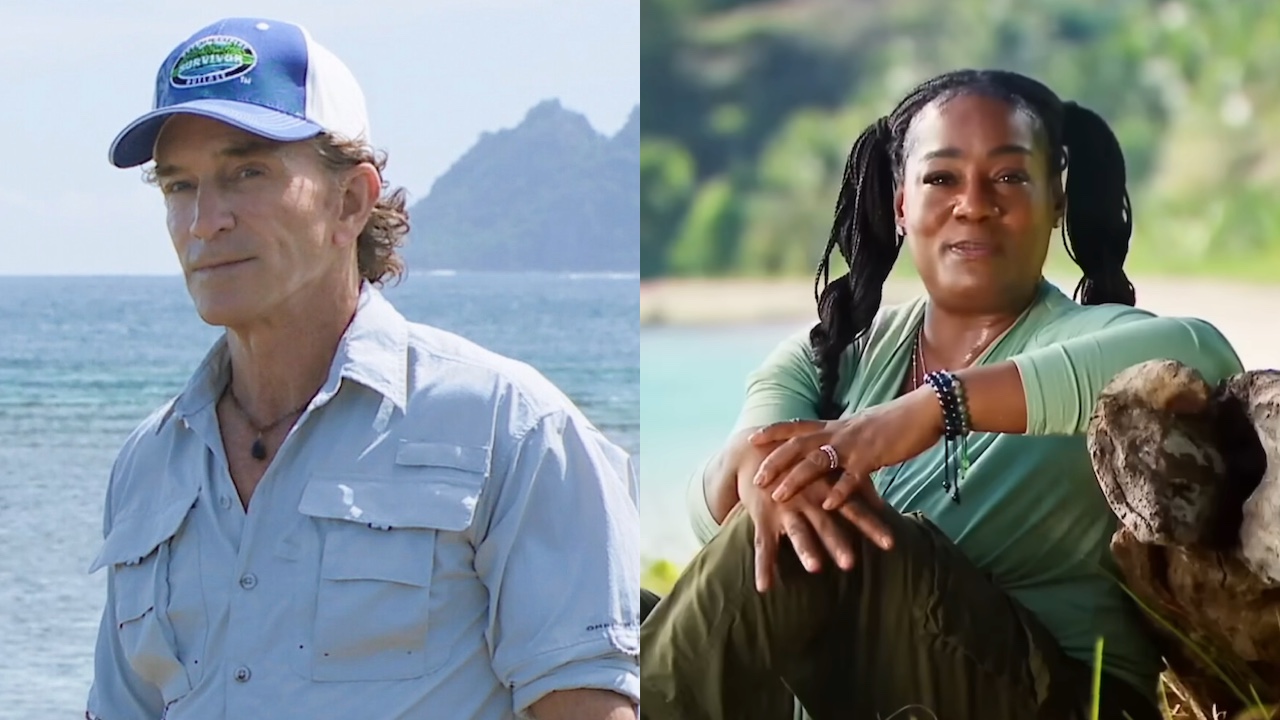
Jeff Probst (Survivor 50) Faces Intense Backlash as Female Contestants Are Reportedly “Erased” from the Broadcast: “They Almost Don’t Exist…”
Survivor 50, the milestone season of the iconic reality TV series, has recently come under scrutiny for its portrayal of female contestants. Jeff Probst, the long-time host and executive producer, is facing intense backlash from fans and critics alike. The controversy centers around claims that women on the show are being “erased” or significantly underrepresented in the broadcast footage, leading to accusations of gender bias and unfair editing practices. This article delves into the details of the controversy, the reactions from the Survivor community, and the implications for the future of the series.
Female Contestants “Erased” from Survivor 50 Broadcast: What’s Happening?
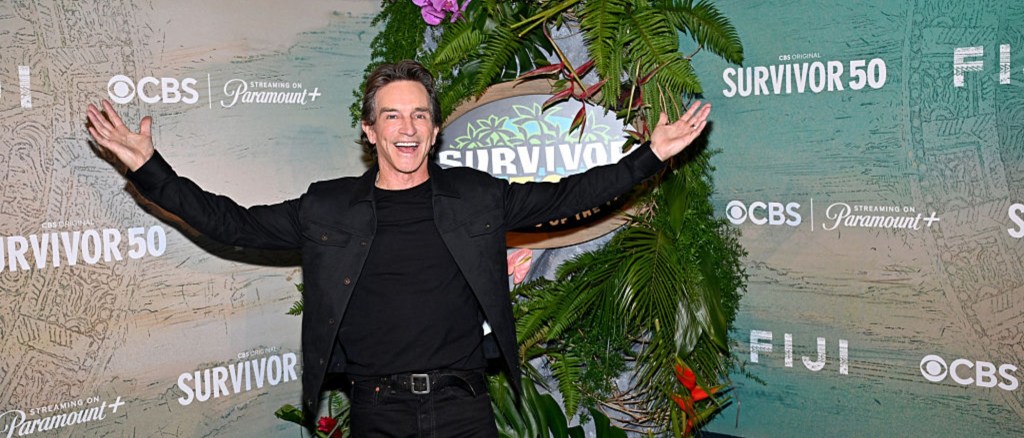
Survivor has always been celebrated for its diverse cast and unpredictable gameplay, but recent episodes of Survivor 50 have raised concerns about the visibility of female contestants. Viewers and social media users have pointed out that women seem to receive far less screen time compared to their male counterparts. Some fans have gone as far as to say that female players “almost don’t exist” in the narrative, with their strategic moves, personal stories, and challenges barely featured.
This perceived erasure has sparked a wave of criticism directed at Jeff Probst and the show’s production team. Many argue that the editing choices undermine the contributions of female contestants and perpetuate a gender imbalance that has long plagued reality television. Survivor, known for its complex social dynamics and fierce competition, risks alienating a significant portion of its audience by sidelining women in such a prominent season.
Community Reactions and the Impact on Survivor’s Legacy

The backlash against Jeff Probst and Survivor 50 has been swift and vocal. Fans have taken to platforms like Twitter, Reddit, and Survivor fan forums to express their disappointment and demand more equitable representation. Some viewers have highlighted specific examples where female contestants’ gameplay was overshadowed by male players, despite their strong performances.
Critics also emphasize that Survivor’s legacy as a groundbreaking reality show depends on its ability to showcase diverse perspectives and empower all contestants equally. The current controversy threatens to tarnish that reputation, especially as Survivor approaches its 50th season milestone. Female contestants themselves have reportedly voiced frustration over their limited presence on screen, though official statements from the cast and crew remain scarce.
In response, some industry experts suggest that the editing bias may stem from unconscious gender stereotypes or a desire to focus on more “dramatic” storylines, which often center on male players. However, this rationale does little to quell the growing calls for change. Many fans and advocates are urging Jeff Probst and the production team to reevaluate their approach and ensure that future seasons provide a fair and balanced portrayal of all contestants.
What This Means for Reality TV and Gender Representation
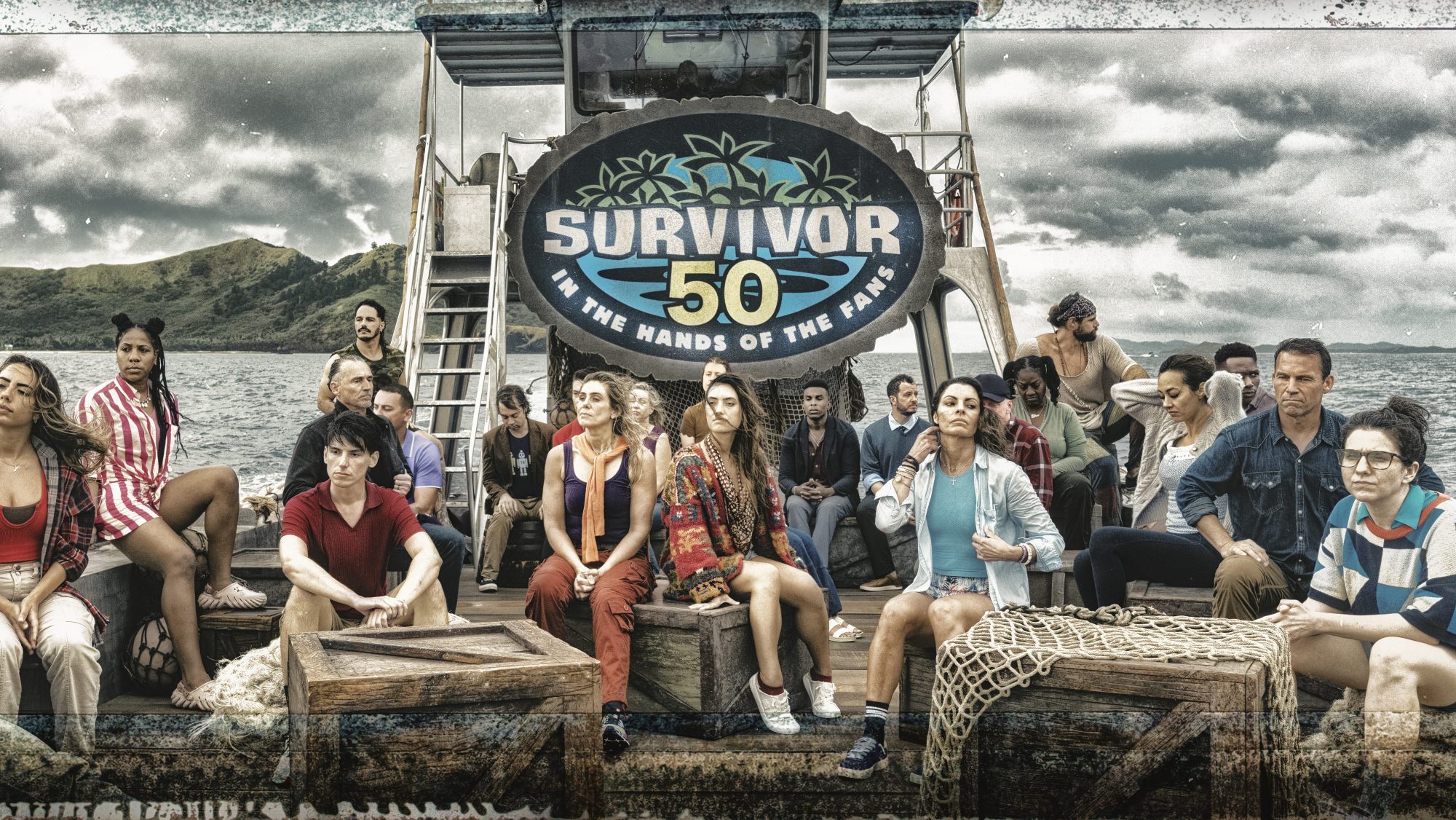
The controversy surrounding Survivor 50 is not isolated; it reflects broader issues within reality television regarding gender representation and fairness. Female contestants on many reality shows have historically faced challenges in receiving equal airtime and recognition. The backlash against Jeff Probst highlights the ongoing demand for transparency and accountability in how reality TV narratives are shaped.
For Survivor, a show that prides itself on strategy, resilience, and social gameplay, equitable representation is crucial. The erasure of female contestants not only diminishes their individual achievements but also deprives viewers of a complete and authentic storytelling experience. As audiences become more socially conscious, shows like Survivor must adapt to maintain relevance and respect.
Conclusion

Jeff Probst’s Survivor 50 is at the center of a significant controversy as female contestants are reportedly “erased” from the broadcast, sparking intense backlash and raising important questions about gender bias in reality TV. The underrepresentation of women threatens the show’s legacy and calls for a critical reassessment of editing practices. Survivor fans and advocates alike are urging the production team to ensure fair and balanced storytelling that honors the contributions of all players.
If you’re a Survivor fan or passionate about gender equality in media, stay informed and join the conversation. Share your thoughts on how reality TV can better represent diverse voices and support fair competition. Together, we can encourage positive change in the entertainment industry.