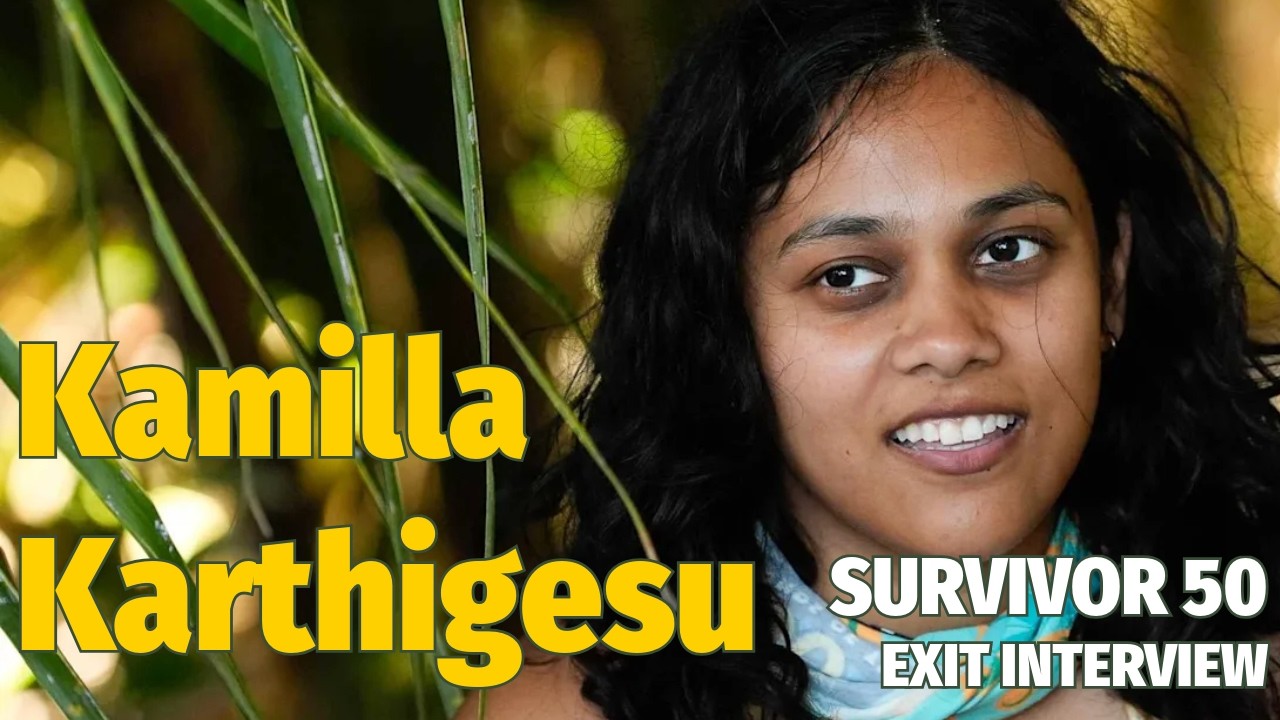
Kamilla Karthigesu (Survivor 50) Shocks Audiences by Exposing a “Zoom Alliance” That Existed Before the Game Began: “Everything Was Set Up in Advance…”
Survivor fans were left stunned when Kamilla Karthigesu, a contestant from Survivor 50, unveiled a secret alliance that was formed well before the game officially started. This “Zoom alliance,” as she called it, was a strategic move that took place during virtual meetings, setting the stage for the season’s gameplay. Kamilla’s revelation has sparked widespread discussion about the fairness and authenticity of reality TV competitions, especially in the era of remote communication.
The Pre-Game “Zoom Alliance” and Its Impact on Survivor 50
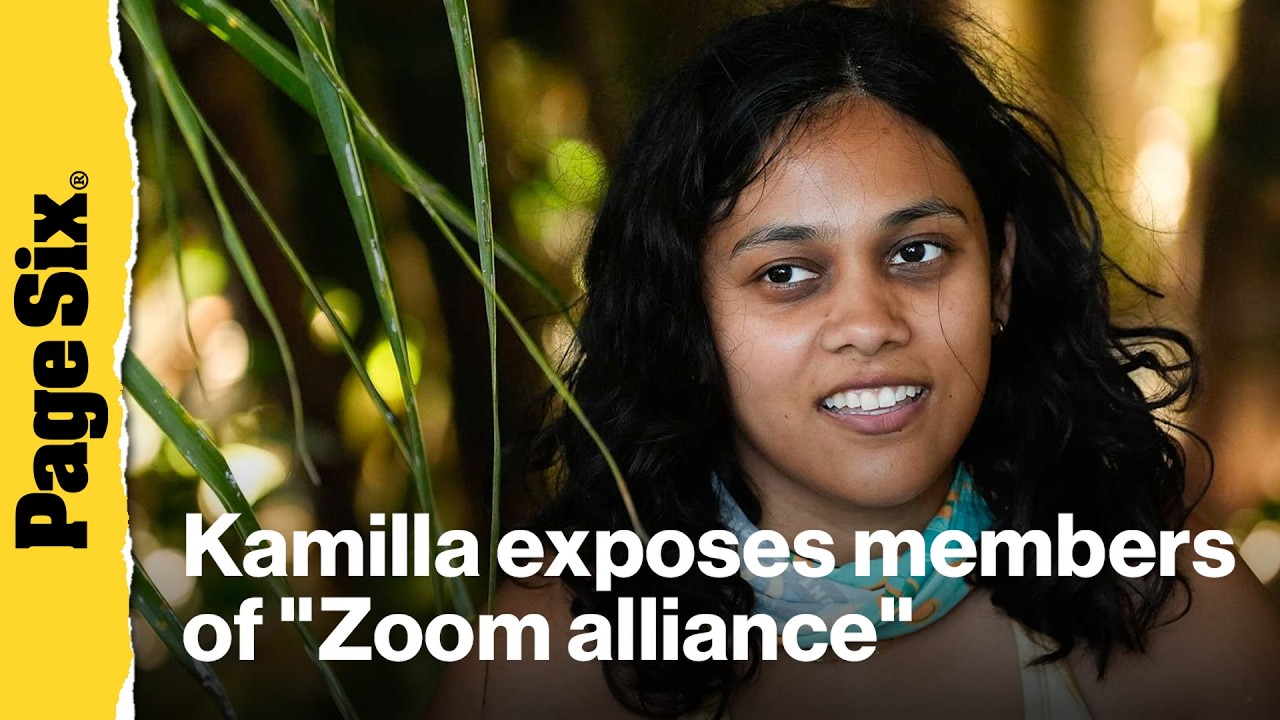
In a recent interview, Kamilla Karthigesu disclosed how a group of contestants connected via Zoom calls prior to the filming of Survivor 50. This pre-game alliance was not just casual conversation but a deliberate strategy to form bonds and plan moves before stepping foot on the island. Kamilla explained, “Everything was set up in advance… we knew who we could trust and who to watch out for.”
This revelation challenges the traditional notion of Survivor as a game of spontaneous social dynamics and survival instincts. Instead, it highlights how technology and pre-planning have transformed the competitive landscape. Contestants who participated in these early virtual meetings had a distinct advantage, allowing them to coordinate votes and alliances from day one.
The existence of the Zoom alliance also raises questions about the production’s role in facilitating or allowing such pre-game interactions. While Survivor has always encouraged social strategy, the idea that alliances could be formed remotely before the game starts introduces a new layer of complexity and potential controversy.
How Kamilla’s Revelation Changes the Way We View Reality TV Strategy

Kamilla’s exposure of the Zoom alliance sheds light on the evolving nature of reality TV competitions in the digital age. It reveals that players are not only competing on physical and social fronts but also leveraging technology to gain an edge. This shift has several implications:
1. **Strategic Advantage:** Contestants who engage in pre-game communication can build trust and plan moves, giving them a head start over others.
2. **Fairness Concerns:** Viewers and other players might question the integrity of the game if alliances are formed outside the official gameplay.
3. **Production Challenges:** Reality TV producers may need to reconsider rules and monitoring to ensure a level playing field.
4. **Viewer Engagement:** Such revelations can increase audience interest by adding a new dimension to the game’s narrative.
Kamilla’s candid comments encourage fans to think critically about how reality shows are evolving and the role that off-camera interactions play in shaping outcomes.
What This Means for Future Seasons of Survivor and Reality TV

The disclosure of a pre-game Zoom alliance could have lasting effects on Survivor and similar reality competitions. Producers might implement stricter guidelines to prevent early alliances or embrace the new reality by incorporating virtual strategy sessions as part of the show’s format. Either way, the game is changing.
For contestants, this means that preparation now extends beyond physical training and social skills to include digital communication and networking. Future players may need to be savvy not only in survival tactics but also in managing online relationships before the cameras even start rolling.
For fans, Kamilla’s revelation adds an intriguing layer to the viewing experience. Understanding that some alliances are premeditated rather than spontaneous can alter perceptions of gameplay and contestant behavior.
Kamilla Karthigesu’s Role in Shaping Survivor 50’s Narrative

As one of the players who openly discussed the Zoom alliance, Kamilla Karthigesu has become a pivotal figure in Survivor 50’s story. Her willingness to speak out has brought transparency to the game’s behind-the-scenes dynamics and sparked important conversations about strategy and fairness.
Kamilla’s insights also highlight the adaptability and resourcefulness required to compete in modern reality TV. By embracing technology and pre-game planning, she demonstrated a new form of gameplay that may influence how future contestants approach the competition.
Conclusion
Kamilla Karthigesu’s shocking revelation about the pre-game Zoom alliance in Survivor 50 has changed the way audiences view reality TV strategy. This exposure not only challenges traditional ideas about fairness and spontaneity but also highlights the growing influence of technology in competitive shows. As the game evolves, both contestants and producers will need to adapt to this new reality. For fans eager to stay ahead of the latest Survivor developments and uncover more behind-the-scenes secrets, be sure to follow our updates and join the conversation!